


Head Pain, Headaches & Limitations in Eugene, Oregon
Cervicogenic headaches and post-concussion symptoms both have a strong musculoskeletal component that physical therapy directly addresses. Our DPTs use vestibular rehab and cervical treatment to guide athletes safely back to full activity, no referral needed.

2
conditions treated
70%
of persistent headaches have a cervicogenic component
★★★★★
5.0
243 verified Google reviews
We Treat 2 Head Conditions
About Head Pain in Eugene
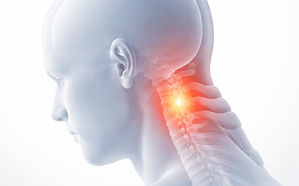
Cervicogenic headaches, headaches originating from the cervical spine and suboccipital musculature rather than the brain, are among the most commonly misdiagnosed headache types. They are frequently classified as tension headaches or migraines and managed with medication rather than addressed at their mechanical source. The distinguishing feature is that cervicogenic headaches are provoked or worsened by neck movement or sustained cervical postures, and they respond reliably to manual therapy and targeted exercise directed at the upper cervical spine. For Eugene cyclists and desk athletes who experience recurring headaches, a cervical assessment should precede medication management in most cases.
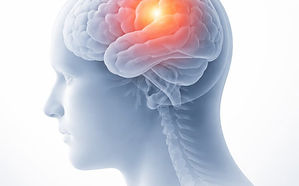
Concussion is a common injury in Eugene's cycling, trail running, mountain biking, and contact sport communities. Standard concussion management, rest until symptoms resolve, then gradual return to activity, is an appropriate initial approach, but it is insufficient for athletes whose symptoms persist beyond two to three weeks. Persistent post-concussion symptoms, including headache, dizziness, cognitive fog, and exercise intolerance, frequently have treatable cervical and vestibular components that physical therapy directly addresses.
Vestibular rehabilitation is the evidence-based treatment for post-concussion dizziness and balance deficits. It involves a structured program of gaze stabilization exercises, habituation exercises, and balance training that progressively challenges the vestibular system and facilitates central compensation. Most athletes with post-concussion vestibular symptoms see meaningful improvement within four to eight weeks of structured vestibular rehabilitation. Delaying this treatment, which is common when athletes simply wait for symptoms to resolve on their own, prolongs recovery without clinical benefit.
People who were involved in a Motor Vehicle Accident (MVA) also often deal with concussions, whiplash associated disorder, and headaches which are amenable to physical therapy.
Cervical manual therapy and deep neck flexor rehabilitation address the musculoskeletal component of post-concussion headache, which is driven by the whiplash mechanism that accompanies most concussive impacts. The cervical spine is injured in the same event that concusses the brain, and treating both is consistently more effective than treating the neurological component alone.
THE EUGENE CONTEXT: WHO WE SEE AND WHY IT MATTERS
Eugene's active population sustains concussions at meaningful rates across multiple sports. Mountain bikers on Hardesty and the McKenzie River Trail, road cyclists navigating traffic on routes through the Willamette Valley, and trail runners on technical Ridgeline terrain all face fall risk with potential concussive impact. Youth and adult contact sport athletes in Eugene's soccer, rugby, and basketball communities add to this population. What most have in common is that they receive a standard concussion protocol, rest, return to learn, return to sport, without ever addressing the cervical and vestibular components that produce the symptoms that won't resolve.
The result is athletes who are weeks or months post-concussion, still experiencing headaches or dizziness with exertion, and have been told they need to keep resting. Rest is not the treatment for chronic post-concussion symptoms, active, structured vestibular and cervical rehabilitation is. The research supporting this distinction has been clear for over a decade. At Zenith, we see post-concussion athletes who have often already spent months waiting before finding a clinician who can deliver this treatment without a neurology referral queue.
We also treat people post MVA through Personal Injury Protection (PIP) insurance. Contact us to find out more information on how to utilize PIP coverage.
WHY DIRECT-CARE PHYSICAL THERAPY FOR CONCUSSION IN EUGENE
Post-concussion rehabilitation requires a clinician who understands both the vestibular and musculoskeletal components of recovery and can integrate both into a single, progressive program. At Zenith, that assessment and treatment begins on the first visit, no referral to a neurologist, no six-week waitlist. For an injury where early active rehabilitation is associated with faster return to sport, that access matters.
Our DPTs, including Michael Duffy (DPT, OCS), Mariel Hammond (DPT) Jesse Klein (DPT, OCS, CSCS) and Jenn Randall (DPT, OCS, CMPT, USATF Level 1), bring orthopedic and sports rehabilitation backgrounds that allow for integrated assessment of the cervical, vestibular, and neurological components in a single clinical picture. You don't need to see three different providers. You get a complete evaluation and a program that addresses all of the drivers together.
FIND US
Zenith Performance & Wellness is located at 160 S. Park St., Eugene, OR 97401. Call 541-250-0195 or book online. Same-week appointments are typically available.
Rehab PT to Performance PT
Consider starting with rehab PT and transitioning to performance PT as you progress.