


Hip Labral Tear Specialists Eugene
Hip labrum pain with catching or pinching. PT restores mobility and stability, with structured post-op rehab if needed.
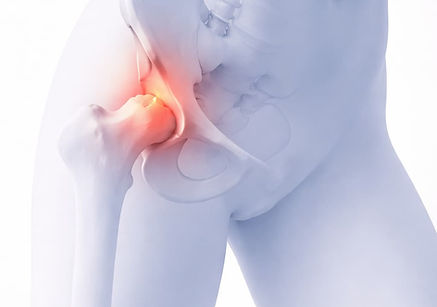
About Hip Labral Tear
Many hip labral tears can be managed without surgery. Physical therapy restores hip mobility, builds joint stability, and addresses movement faults that drive impingement. When surgery is needed, structured rehab improves recovery outcomes.
Expected Recovery Window
Conservative: 12–20 weeks. Post-surgical (arthroscopy): 4–6 months. Return-to-sport is criteria-based.
Related Symptoms with Hip Labral Tear
Common Symptoms
Groin pain — often described as a C-shape with the thumb and forefinger at the hip crease; clicking, locking, or catching in the hip; pain with prolonged sitting; pain with hip flexion activities (stairs, squatting); stiffness with rotation; pain worsened by running or cutting.
Common Causes
Femoroacetabular impingement (FAI) causing repetitive labral stress; sudden twisting or pivoting injury; repetitive hip flexion loading in dancers, cyclists, and runners; structural hip anatomy (cam or pincer morphology).
How We Treat Hip Labral Tear
We assess FAI morphology, hip mobility, and movement patterns to determine whether conservative care can avoid surgery. Treatment focuses on deep hip stability (hip external rotator and deep core work), activity modification, and movement re-education. Post-surgical rehab follows evidence-based phase progressions.


